
Blackjack Basic Strategy Guide – How to Play Blackjack

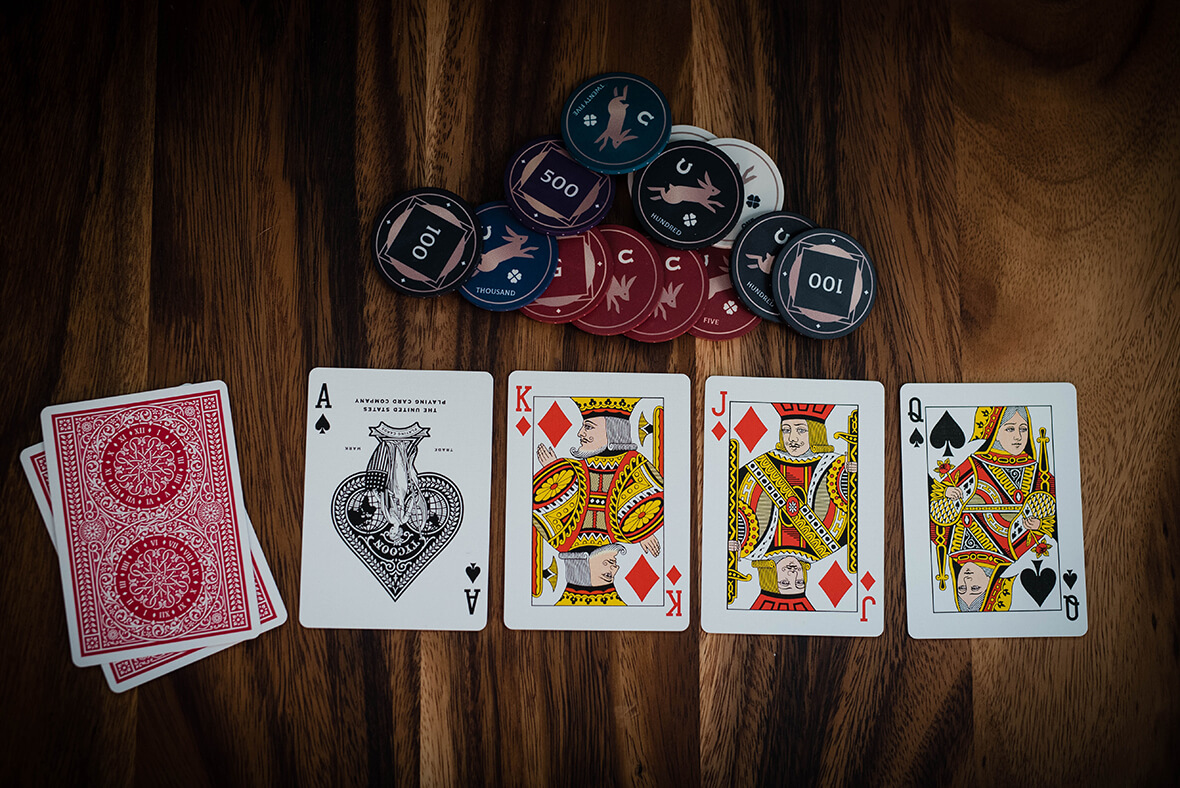
Blackjack Basic Strategy Guide – How to Play Blackjack
Blackjack basic strategy is a set of mathematically derived decisions that tell you the statistically correct action (hit, stand, double, or split) for every possible hand combination against each possible dealer up card. By following blackjack strategy chart guidance, players reduce the house edge from nearly 4% down to approximately 0.5%, transforming blackjack from a wildly negative proposition into one of the better bets in any casino. Understanding how to play blackjack correctly means internalizing these decisions, whether through memorization, strategy cards, or disciplined reference during play.


- World’s most recognized betting brand
- Best-in-class live betting and streaming
- Deep cricket, football, and kabaddi markets
- Reliable and fast mobile app
- Excellent cash-out feature on sports bets
- Casino bonus offers are limited for India
- INR deposit options fewer than local operators
- Account verification can take several days
- No crypto payments accepted

- Massive game library with 5,000+ slots
- Accepts UPI, PhonePe, Google Pay, Paytm
- Up to ₹26,000 welcome bonus (casino)
- Dedicated mobile apps for Android and iOS
- Live casino with 500+ tables
- Complex bonus terms with 35x wagering
- Interface can feel cluttered for new users
- Verification process can be slow
- Some withdrawal methods have processing fees

- Award-winning mobile casino experience
- Licensed in multiple jurisdictions
- Fast withdrawals with clear processing times
- 2,000+ games from premium providers
- Strong live casino section (Evolution, Ezugi)
- Welcome bonus wagering is 30x
- Limited INR payment methods compared to local brands
- No crypto support
- Some games geo-restricted for India
The Foundation: Hit, Stand, Double, and Split
Every blackjack decision falls into one of four categories: hitting (taking an additional card), standing (ending your turn and keeping your total), doubling down (doubling your bet and committing to exactly one more card), or splitting (dividing a pair into two separate hands). These four actions are the complete toolkit for any blackjack hand. Understanding not just what to do, but why each action makes mathematical sense in specific situations, is the path to profitability.
Hitting means you want the dealer to give you another card because your current total is below 17 and you believe improving is more likely than busting. With a hard 13, for example, you have more non-busting cards available than busting cards, so hitting has positive expected value. Standing means your hand is strong enough as-is, or the risk of busting outweighs the benefit of improving. With a hard 17, you stand against weak dealer cards because the dealer is likely to bust, but hit against strong dealer cards because you need to improve to beat them.
Splitting pairs allows you to turn one hand into two, doubling your bet and your chances of winning. This is only correct when the expected value of two hands exceeds the value of playing the pair as a single hand. You always split Aces and 8s, never split 10s or 5s, and make context-dependent decisions on other pairs. Doubling down, covered in greater depth elsewhere, is the most powerful action available because it increases your bet when situations favor you mathematically.
Hard Hand Strategy and Common Situations
Hard hands (totals without an Ace, or totals where the Ace must count as 1) comprise the majority of hands you’ll face. Your strategy on hard hands focuses on the dealer’s up card and whether you’re in a “stiff” situation (12-16, where another card risks busting) or a “made” hand (17+, where hitting risks busting for minimal improvement). The dealer’s visible card is crucial because it tells you the probability of the dealer’s hand strength and likelihood of busting.
Hard 17 or higher: Always stand. You’re unlikely to improve without busting, and the dealer may bust from a weak up card. The only exception is a hard 12, which requires context-dependent play. Hard 13-16 (stiff hands): Stand against dealer cards 2-6, as the dealer is vulnerable to busting. Hit against dealer 7-Ace, as your hand is too weak to win against likely dealer strength. Hard 11: Always double down, except against the rare scenario of dealer Ace. Hard 10: Double against dealer 2-9; hit against 10 or Ace. Hard 9: Double only against dealer 3-6; hit otherwise.
The core principle is dealer vulnerability. When the dealer shows 4, 5, or 6, the dealer is most likely to bust (they need to hit to 17, and nearly 40% of cards bust hands from these positions). When the dealer shows 7 through Ace, the dealer has a strong up card and is unlikely to bust, so you need to hit and try to improve your hand or stand with strong hands only. This asymmetry between weak and strong dealer up cards drives most of the basic strategy decisions.
Soft Hand Strategy and Pair Splitting
Soft hands contain an Ace counted as 11, allowing flexibility. A soft 17, for example, is counted as Ace-6. If you hit and get a 10, you have a hard 17 instead of a bust. This flexibility makes soft hands less risky to hit and changes the strategy significantly. Soft hands are almost always played more aggressively than hard hands because the downside risk of busting is removed until the hand becomes “hard” (Ace counted as 1).
Soft 13-17: Double against dealer 3-6; hit otherwise. The doubling is particularly strong on soft 15 and soft 16 against weak dealer cards because you have multiple favorable outcomes (landing on 18-20 or catching an Ace for 12-13 and continuing to improve). Soft 18: Double against dealer 3-6; hit against 9-Ace; stand against 7 and 8. Soft 19 and higher: Always stand; these hands are strong enough already. The key insight for soft hands is that they benefit enormously from doubling when the dealer is vulnerable, because you’re risking less and gaining more upside potential.
Pair splitting divides your attention into two separate hands. Always split Aces and 8s; never split 10s, face cards, 5s, or 4s; split 7s, 6s, and 3s against weak dealer cards; split 9s against all except dealer 7, 10, or Ace; split 2s against dealer 3-7. The logic is identical to single hands: split when expected value improves by doing so. Splitting Aces gives you two chances at 21; splitting 8s breaks a hand (16) into two hands with better potential.
Common Deviations and Variations
The “basic strategy” assumes standard casino rules (one deck, dealer hits on soft 17, and standard doubling/splitting allowed). Some casinos use different rules that require slight strategy adjustments. If the dealer stands on soft 17 instead of hitting, your strategy shifts slightly in your favor; if the dealer hits soft 17, you lose a small edge. Single-deck games versus eight-deck games change some counting-related decisions, though basic strategy remains substantially similar.
Some advanced players employ “deviations” from basic strategy based on card counting, but this is beyond the scope of basic strategy and illegal in casinos that detect it. For recreational players following basic strategy perfectly, no deviations are necessary or beneficial. If you find yourself tempted to deviate from basic strategy based on hunches or “the dealer looks tired,” you’re fighting your own intuition against mathematics—and you will lose that battle over time.
| Your Total | Dealer 4-6 (Weak) | Dealer 7-Ace (Strong) |
|---|---|---|
| Hard 12 | Stand | Hit |
| Hard 13-16 | Stand | Hit |
| Hard 17+ | Stand | Stand |
| Soft 13-17 | Double | Hit |
| Soft 18 | Double | Stand |
-
Is basic strategy the same for all blackjack games?
Basic strategy varies slightly depending on whether the casino uses one deck or many decks, whether the dealer hits or stands on soft 17, and whether late surrender is allowed. However, the differences are minor, and following a general basic strategy chart still drastically improves your results.
-
Can you use a strategy chart at the blackjack table?
Yes, casinos allow strategy charts at the table. Carrying a small, laminated basic strategy card and consulting it during play is perfectly legal. The casino cannot prevent you from making mathematically correct decisions.
-
How long does it take to memorize basic strategy?
Many players memorize basic strategy in a few weeks of casual study. The strategy has logical patterns (hit stiffs against strong dealers, stand stiffs against weak dealers) that make memorization easier than raw memorization would suggest.
-
What is the house edge if you follow basic strategy perfectly?
The house edge against a perfect basic strategy player is approximately 0.5% in a standard six-deck game, depending on exact rules. This is far better than the 2-4% edge against players who guess or follow superstitions.

Comments
Solid guide. One important detail — always check whether the dealer stands or hits on soft 17 at your table. That single rule changes several key decisions.
Been playing online blackjack for about 2 years and this breakdown is spot on. The hard part is discipline — knowing the right play and actually making it when you’re down.
Printed this strategy chart and used it at Evolution live blackjack tables for two weeks. My bankroll lasted noticeably longer compared to playing on gut feeling.