
Edge Sorting: Pure Cheating, Or A Smart Technique To Help You Beat The House?

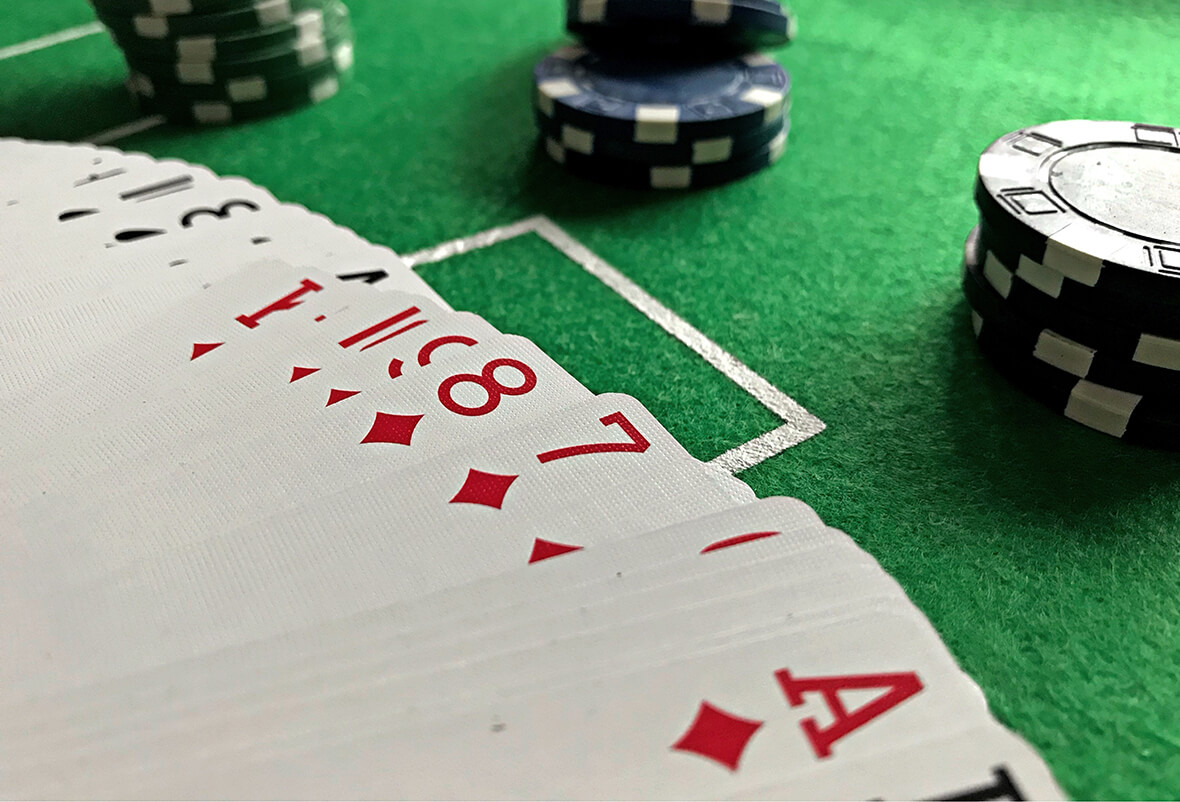
Edge Sorting: Pure Cheating, Or A Smart Technique?
Edge sorting represents one of the most controversial and legally contested forms of advantage play in casino history. The case of Phil Ivey and his accomplice, who attempted to use edge sorting at baccarat - Baccarat tables in Atlantic City and London, generated millions of dollars in disputes and conflicting legal rulings that continue to influence how casinos approach card security today. The question of whether edge sorting constitutes cheating, a legal but prohibited advantage play technique, or merely exploiting public information divides even legal experts. Understanding this controversy requires examining how edge sorting works, the famous Ivey case, and the broader implications for casino advantage play.


- World’s most recognized betting brand
- Best-in-class live betting and streaming
- Deep cricket, football, and kabaddi markets
- Reliable and fast mobile app
- Excellent cash-out feature on sports bets
- Casino bonus offers are limited for India
- INR deposit options fewer than local operators
- Account verification can take several days
- No crypto payments accepted

- Massive game library with 5,000+ slots
- Accepts UPI, PhonePe, Google Pay, Paytm
- Up to ₹26,000 welcome bonus (casino)
- Dedicated mobile apps for Android and iOS
- Live casino with 500+ tables
- Complex bonus terms with 35x wagering
- Interface can feel cluttered for new users
- Verification process can be slow
- Some withdrawal methods have processing fees

- Award-winning mobile casino experience
- Licensed in multiple jurisdictions
- Fast withdrawals with clear processing times
- 2,000+ games from premium providers
- Strong live casino section (Evolution, Ezugi)
- Welcome bonus wagering is 30x
- Limited INR payment methods compared to local brands
- No crypto support
- Some games geo-restricted for India
What is Edge Sorting and How Does It Work?
Edge sorting exploits minor imperfections in playing card manufacturing. Although casino cards are produced to rigorous standards, subtle variations in the back design can create asymmetries. When cards are oriented in different directions during manufacture, the pattern on the back can appear slightly different—thinner on one edge than the other. These micro-level imperfections are essentially invisible to casual observation but become detectable to someone specifically looking for them.
The advantage comes through identifying high cards (aces and face cards) versus low cards (twos through sixes) by their subtle edge patterns. In games like baccarat, knowing which cards are coming dramatically improves decision-making odds. A card counter in blackjack - Blackjack can track card composition to adjust their advantage percentages, but an edge sorter takes this further—they actually manipulate card orientation between hands so that cards they believe are high value are oriented one way and low value cards another way. When dealing from the shoe, the dealer’s cut or the player’s cut might fall at a point where high cards are about to emerge. This information, while not providing a guaranteed edge, substantially shifts odds in the player’s favor.
The Phil Ivey Case and Legal Precedent
In 2012, poker legend Phil Ivey and his accomplice Cheng Yin Sun visited the Borgata Hotel Casino in Atlantic City and later the Crockfords Casino in London, where they played baccarat using edge sorting techniques. Over multiple sessions, they won approximately $9.6 million in Atlantic City and £7.7 million (roughly ₹70 crores total) in London. Both casinos eventually discovered the scheme and refused to pay out the winnings, leading to years of legal battles that reached courts in both the United States and the United Kingdom.
The court cases produced dramatically different outcomes, illuminating how jurisdiction and legal frameworks shaped the edge sorting debate. The New Jersey courts, where the Borgata case was litigated, ruled in favor of the casino, finding that Ivey had engaged in cheating through collusion with the dealer and manipulation of the shoe. The London courts, however, issued a more nuanced ruling in 2016: while acknowledging that edge sorting involved exploiting card imperfections, the court concluded that Ivey had not technically cheated because he had not done anything to alter the cards—they had simply been manufactured with imperfections that he exploited. This created a remarkable legal precedent where the exact same activity was ruled cheating in one jurisdiction and not cheating in another.
Is Edge Sorting Legal or Cheating?
The legal status of edge sorting remains ambiguous and jurisdiction-dependent. In the United States, particularly under New Jersey gaming law, edge sorting has been firmly classified as cheating when it involves collusion with dealers or other casino employees to manipulate cards or outcomes. The U.S. courts found that Ivey’s accomplice had worked with dealers to facilitate the edge sorting scheme, making it a conspiracy rather than a purely individual advantage play technique.
British law, by contrast, treats edge sorting more as an exploitation of manufacturing imperfections that players are entitled to notice and use. The UK courts reasoned that if cards have detectable imperfections, using publicly available information about those imperfections isn’t cheating—it’s clever play. However, this legal distinction doesn’t mean Crockfords or other British casinos must allow edge sorters to continue playing. Casinos retain the right to refuse service to anyone, and most casinos have responded to edge sorting concerns by improving card manufacturing standards, implementing procedures to disguise card orientation, and training dealers to rotate cards unpredictably.
The Ethical and Legal Debate About Advantage Play
Edge sorting highlights a fascinating tension in gaming: where is the line between clever advantage play and cheating? Phil Ivey edge sorting case raised these questions in stark relief. On one hand, advantage players have traditionally occupied a gray area—card counters in blackjack are attempting to gain an edge through superior skill and information gathering, yet casinos ban them. Dice control in craps, where players claim to influence outcomes through throwing technique, is technically allowed but heavily scrutinized. Advantage players have long argued that any technique not involving physical card manipulation or collusion with casino employees should be permitted.
However, casinos argue that their role is not to provide fair games where technically skilled cheaters can gain edges, but rather to ensure all players have equal odds. They contend that edge sorting, even if no cards are physically altered, violates the spirit of fair gaming because it requires casinos to become aware of and correct imperfections in their equipment. The practical effect of Ivey’s case has been that casinos have tightened security and manufacturing standards dramatically. Modern casino cards are produced to much higher specifications, card rotation is randomized by dealers, and many casinos periodically replace decks more frequently to eliminate any potential edge sorting opportunities. The outcome has been higher security standards benefiting all players, even as the specific edge sorting technique has become essentially obsolete.
-
Did Phil Ivey actually cheat?
This depends on jurisdiction. U.S. courts ruled Ivey cheated because his accomplice colluded with dealers. British courts ruled he didn’t technically cheat because he didn’t alter cards, only exploited existing imperfections. Both casinos refused payment.
-
How exactly does edge sorting work?
Edge sorting exploits subtle manufacturing imperfections in card backs—the pattern can appear thinner on different edges depending on the card’s orientation. By tracking which orientations correspond to high or low cards, advantage players can gain information about upcoming cards.
-
Is edge sorting still possible in modern casinos?
Modern casinos have responded with much stricter manufacturing standards, frequent card replacement, and dealer procedures that randomize card orientation. Edge sorting is theoretically possible but practically obsolete in regulated casinos that have implemented these countermeasures.
-
How much did Phil Ivey win using edge sorting?
Ivey won approximately $9.6 million at the Borgata in Atlantic City and £7.7 million in London (about ₹70 crores total). Neither casino paid out the winnings due to the edge sorting dispute.
-
What counts as casino advantage play?
Card counting in blackjack is advantage play that casinos disallow but isn’t technically cheating. Edge sorting occupies a legal gray area—some jurisdictions view it as cheating, others as clever exploitation of public information combined with dealer collusion.

Comments
Edge sorting is a fascinating technique but completely impractical online. Through a live casino video stream you can’t see the card backs well enough. Only works at physical tables.
Phil Ivey’s court case proved that even if you’re skillful enough to pull it off, casinos will fight to void your winnings. Interesting from a theory perspective, risky in practice.
Good breakdown of the mechanics. The line between advantage play and cheating is genuinely blurry with edge sorting, which is what makes the debate interesting.