
Roulette Rules and Strategy

Roulette Rules and Strategy
Roulette rules are among the simplest in casino gaming, yet understanding the nuances of wheel variants and bet types is essential for making informed decisions about where and how to play. This comprehensive roulette guide covers the fundamentals of how the game works, the different ways to bet, and realistic approaches to strategy that acknowledge both the mathematical house edge and the role of variance in short-term outcomes.


- World’s most recognized betting brand
- Best-in-class live betting and streaming
- Deep cricket, football, and kabaddi markets
- Reliable and fast mobile app
- Excellent cash-out feature on sports bets
- Casino bonus offers are limited for India
- INR deposit options fewer than local operators
- Account verification can take several days
- No crypto payments accepted

- Massive game library with 5,000+ slots
- Accepts UPI, PhonePe, Google Pay, Paytm
- Up to ₹26,000 welcome bonus (casino)
- Dedicated mobile apps for Android and iOS
- Live casino with 500+ tables
- Complex bonus terms with 35x wagering
- Interface can feel cluttered for new users
- Verification process can be slow
- Some withdrawal methods have processing fees

- Award-winning mobile casino experience
- Licensed in multiple jurisdictions
- Fast withdrawals with clear processing times
- 2,000+ games from premium providers
- Strong live casino section (Evolution, Ezugi)
- Welcome bonus wagering is 30x
- Limited INR payment methods compared to local brands
- No crypto support
- Some games geo-restricted for India
Basic Roulette Rules and How the Game Works
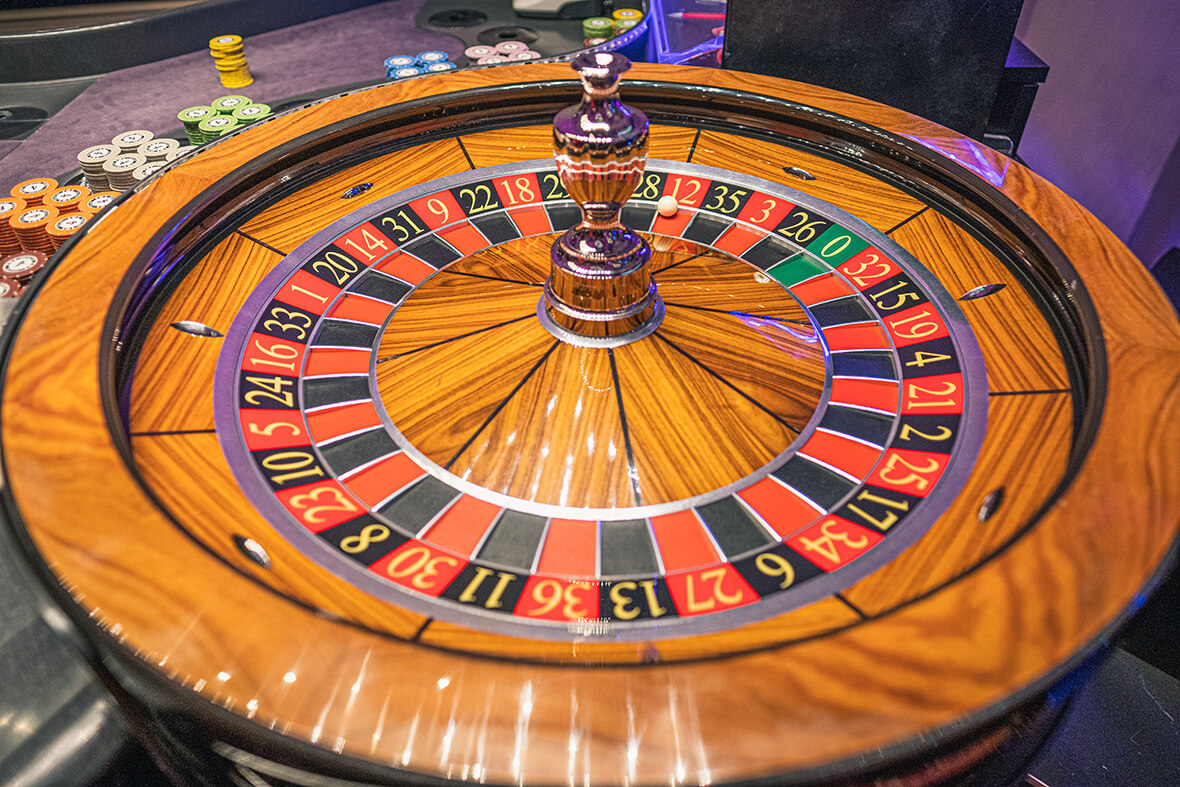
Roulette begins with a spinning wheel containing numbered pockets and a small ball. The European wheel has 37 pockets (numbers 1-36 plus 0), while American wheels add an extra pocket (00) for 38 total. The American wheel’s double zero is crucial to understand—it increases the house advantage significantly. When the wheel spins, the ball lands in one of the numbered pockets, and that number determines which bets win and which lose.
The basic gameplay sequence is straightforward: players place bets on the table layout before the wheel spins, the dealer announces “no more bets” once the wheel is in motion, and then spins the wheel. Once the ball settles in a pocket, the dealer collects losing bets and pays winning bets according to the odds of that particular wager. There’s no skill involved in determining the outcome—it’s purely a game of chance. Understanding this fundamental truth is the first step toward playing roulette responsibly.
Roulette Bet Types and Payouts
Roulette betting offers remarkable variety, allowing players to choose between conservative even-money bets and aggressive high-payout wagers. Understanding each bet type’s mechanics, odds, and payouts helps you make intentional choices aligned with your risk tolerance and bankroll management strategy.
| Bet Type | Coverage | Odds | Payout |
|---|---|---|---|
| Straight | Single number | 2.7% | 35:1 |
| Split | Two adjacent numbers | 5.4% | 17:1 |
| Street | Three numbers in a row | 8.1% | 11:1 |
| Corner | Four numbers in a square | 10.8% | 8:1 |
| Line | Six numbers in two rows | 16.2% | 5:1 |
| Dozen | 12 consecutive numbers | 32.4% | 2:1 |
| Column | 12 numbers in a column | 32.4% | 2:1 |
| Red/Black | 18 red or black numbers | 48.6% | 1:1 |
| Odd/Even | 18 odd or even numbers | 48.6% | 1:1 |
| High/Low | 18-36 or 1-18 | 48.6% | 1:1 |
Inside bets (straight, split, street, corner, line) offer higher payouts because they cover fewer numbers, making them less likely to win. Outside bets (dozen, column, even money bets) win more frequently but pay less. The critical insight is that all bets carry the same house edge—the casino’s mathematical advantage applies equally whether you’re betting on a single number or red/black. Your bet selection should reflect your personal preference for volatility and entertainment value, not a belief that some bets are mathematically superior.
House Edge by Roulette Variant
Not all roulette wheels are created equal from a mathematical standpoint. The variant you choose dramatically affects your expected outcomes and should be a primary consideration when selecting where to play online or in a physical casino. European roulette, with its single zero, offers a house edge of 2.7%—meaning that on average, the casino keeps ₹2.70 of every ₹100 wagered. American roulette’s extra double zero pocket increases the house edge to 5.26%, nearly double the European version.
French roulette, sometimes called European roulette with special rules, offers even better odds through the “la partage” or “en prison” rules. Under la partage, if you place an even money bet and the ball lands on zero, you lose only half your bet instead of all of it, reducing the house edge to 1.35% on those bets. Some casinos offer American roulette with single zero wheels, which provides the American wheel’s 38 pockets but the lower 2.7% house edge—though these are less common. Always verify which wheel variant your chosen casino uses, as this single factor has enormous long-term significance for your expected outcomes.
Realistic Strategy and Bankroll Approach
The most important aspect of a sustainable roulette strategy is accepting that the house edge cannot be overcome through betting patterns, systems, or strategy. Roulette is a game of pure chance, not skill. Any strategy that claims to provide an edge is fundamentally misrepresenting the game’s mathematical structure. However, smart strategy does exist in how you manage your bankroll and approach play.
Effective roulette strategy centers on four principles: first, choose European (or French) wheels over American wheels to reduce the house edge from 5.26% to 2.7% or lower. Second, establish a session bankroll you can afford to lose and stick to predetermined loss limits. Third, understand that wins will feel good and losses will feel bad, but statistically speaking, both are equally likely outcomes of random chance. Fourth, select bet types based on your entertainment preferences, not on beliefs about which bets are more likely to win. A conservative player might prefer even money bets that preserve their bankroll longer, while an aggressive player might prefer inside bets for the excitement of larger payouts. Neither approach is superior mathematically—both serve different psychological preferences.
-
What are the actual odds in roulette?
On a European wheel, each number has a 1-in-37 (2.7%) chance of winning. A red/black bet has approximately 48.6% chance (less than 50% due to the zero). The house edge applies to all bets equally.
-
What’s the difference between European and American roulette?
American roulette has a double zero (00) in addition to the single zero, creating 38 pockets instead of 37. This increases the house edge from 2.7% to 5.26%. Always choose European when available.
-
Can I use strategy to win at roulette?
No betting strategy overcomes the house edge, but smart bankroll management can extend your playing time and enjoyment. Strategy should focus on bet selection based on personal preferences, not on changing mathematical outcomes.
-
Is French roulette better than European roulette?
French roulette with la partage rules is mathematically superior, offering a 1.35% house edge on even money bets instead of 2.7%. However, it may not be available at all casinos.
-
What’s the best bet in roulette?
All roulette bets have the same house edge, so the “best” bet depends on your goals. Even money bets last longer, while inside bets offer excitement and bigger payouts. Choose based on your preferences.